Three Days in Stockholm: Islands, Old Stones, and That Nordic Light
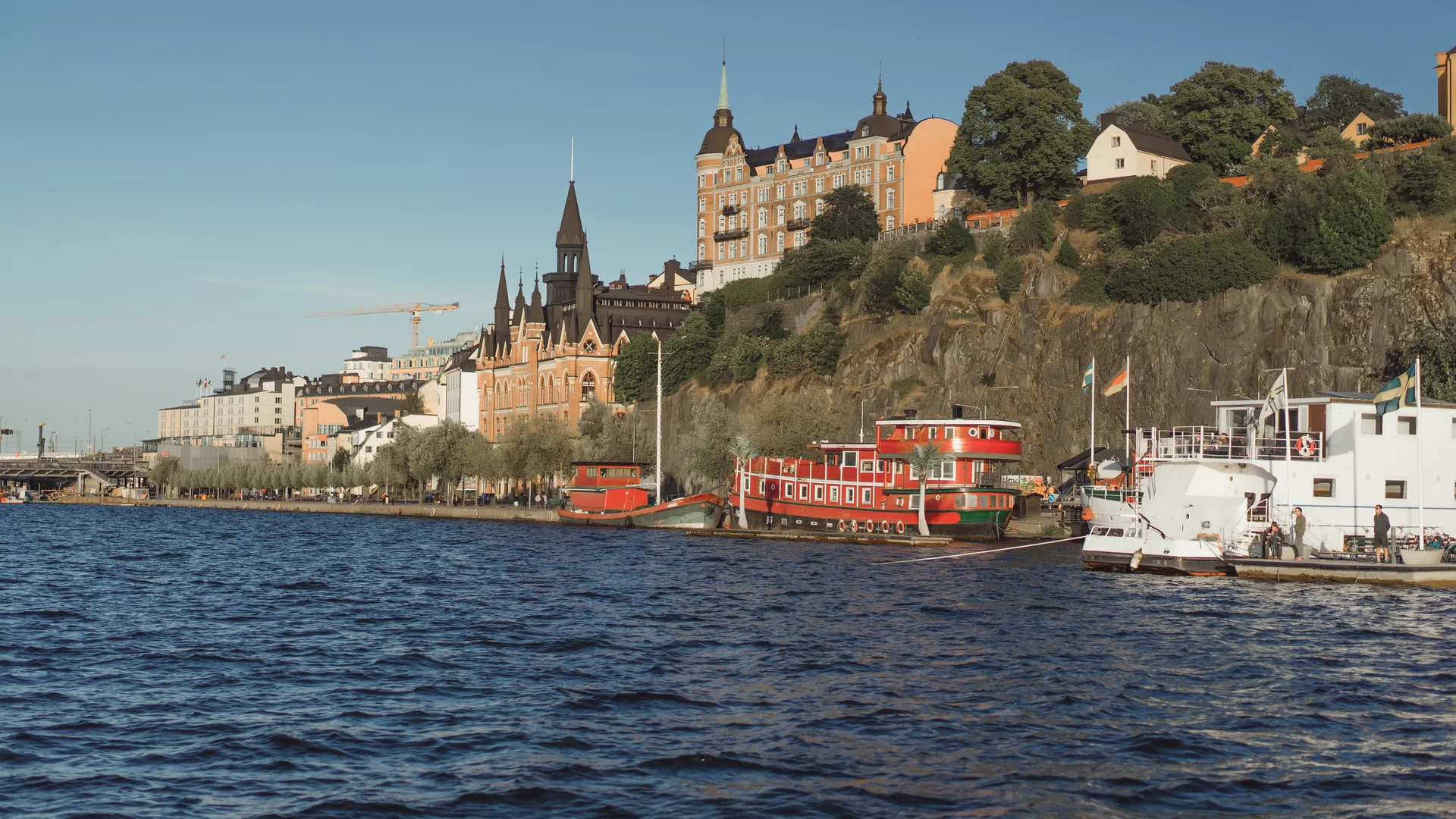
Stockholm is a city that feels impossibly “put together” without being stiff - water everywhere, ferries gliding past pastel buildings, and streets that switch from medieval to minimalist in the space of five minutes. When we went, I kept thinking: this is what happens when a capital city is built on islands and still remembers how to breathe.
Three days is the sweet spot. You can do the headline sights without sprinting, leave room for slow coffee breaks, and still have time to take a boat somewhere just because it’s there.
Day 1: The Old Town, the Waterline, and a First Night View
Morning: Start in Gamla Stan (before it turns into a postcard crowd)
Gamla Stan is Stockholm’s medieval heart: cobbled lanes, tall mustard and rust buildings, tiny squares that feel like they were designed for winter lantern light. It’s also one of those places that changes completely depending on the time of day. We went early, and for a while it was just delivery bikes, shuttered cafés warming up, and the sound of footsteps on stone.
Wander with no plan at first. Let yourself get pulled into the narrower side streets and little stairways. The city has this quiet confidence - Stockholm doesn’t beg you to look at it; it just stands there looking good.
If you want a natural “anchor point,” aim for the royal area and then spiral outward. But honestly, the best Gamla Stan moments are accidental: a tiny courtyard, a shop window, a sudden view of water at the end of an alley.
Afternoon: Walk the waterfront like you live here
One of my favourite Stockholm habits is simple: keep the water on your side and walk. The city is basically an endless sequence of views- bridges, boats, islands, and light bouncing off everything. We did a slow loop that took us from the Old Town toward the more open waterfront areas, stopping whenever something looked like it deserved five minutes.
This is also a good time to do your first proper fika. Stockholm is a coffee city in a very real way: people don’t “grab” coffee, they *take* coffee. The pace is part of the point.
Evening: A viewpoint to lock in the “I’m in Stockholm” feeling
Stockholm at night is understated - more warm windows than neon. For that first evening, we made a point of finding a view over the city, the kind that makes you stop talking for a second. It doesn’t need to be complicated: just get a little elevation, watch the lights come on across the water, and let the city settle in your head.
Day 2: Museums that Actually Feel Worth It + A Neighbourhood Shift
Morning: The Vasa Museum (yes, it’s as good as people say)
You know when a museum is hyped so much you assume it can’t possibly live up to it? The Vasa is the exception. Walking into that space and seeing a huge 17th-century warship just… existing… is genuinely shocking in the best way.
We expected to spend an hour. We stayed much longer.
It’s not just the ship- though the ship is obviously the star - it’s the way the whole story is told: ambition, disaster, salvage, and preservation. Even if you’re not a “museum person,” this one works because it feels like a real object with a real life, not a collection of facts.
Midday: Drift through Djurgården like it’s a park day
Djurgården has a calmer energy than the centre - more trees, wider paths, less city noise. After the Vasa, we did what Stockholm encourages you to do: slow down. Walk a bit. Sit somewhere. Watch the ferries move like they’re part of the public transport system (because they are).
If the weather’s decent, this is one of the nicest “do nothing” stretches you can build into a three-day trip and it makes the rest of the day feel better.
Afternoon: Södermalm for a totally different Stockholm
Then we swapped moods and headed to Södermalm, which feels more lived-in, more creative, a little rougher around the edges in a way that makes it charming. Think: vintage shops, small galleries, neighbourhood cafés, and streets where locals actually look like they’re on their way somewhere.
This is where Stockholm’s “cool” lives, but not in a try-hard way, more like the city has design taste by default. We spent the afternoon wandering, popping into shops, stopping for coffee again (because: Sweden), and letting the day be slightly unstructured.
Evening: A proper dinner (and an early-ish night)
Stockholm nights can be late if you want them to be, but for a three-day itinerary, we found it better to have one really good dinner and not wreck the next morning. The city rewards early starts, especially if you want the archipelago without stress.
Day 3: The Archipelago Day (Even If You Only Go “A Little Bit”)
Morning: Take a boat- Stockholm makes it easy
This is the day I’d tell anyone not to skip. Stockholm’s relationship with water is the whole point, and the archipelago is where that becomes real: islands scattered like stepping stones, houses painted in quiet colours, pine trees, little docks, and that fresh, slightly salty air that makes you feel like your brain has been rinsed clean.
We didn’t try to “conquer” the archipelago. We picked one destination that sounded good, got on a boat, and let the journey be part of the experience. Even if you only go out for a half-day, it changes your sense of Stockholm from “pretty capital” to “this place is built around nature.”
Midday: Simple lunch, slow walking, and a reset
Archipelago days aren’t for rushing. Bring a layer, even if the city is sunny, boat air can be deceptively cold. We did a slow walk, found something casual to eat, and had that rare travel feeling of not needing to do anything else.
If you’re the kind of person who loves a sauna moment, this is the day it fits best - Stockholm understands the concept of warming up properly.
Afternoon: Back in the city for a final wander + last fika
Once you’re back, keep the last afternoon light for walking somewhere you liked earlier. The best three-day trips end with a little repetition - going back to the waterfront, revisiting a neighbourhood street, or just getting a final coffee in a place that feels familiar now.
A Few Things We Learned That Made the Trip Better
The Stockholm Feeling
Stockholm has this rare ability to feel both historic and modern without trying to “blend” them. One moment you’re in a medieval lane; the next you’re in a minimalist café looking at perfect light on water; an hour later you’re on a boat heading toward islands that look like a screensaver.
Three days is enough to see the city - and just enough to leave with the sense that you could come back and do it all differently. Which, honestly, is the best kind of city break.