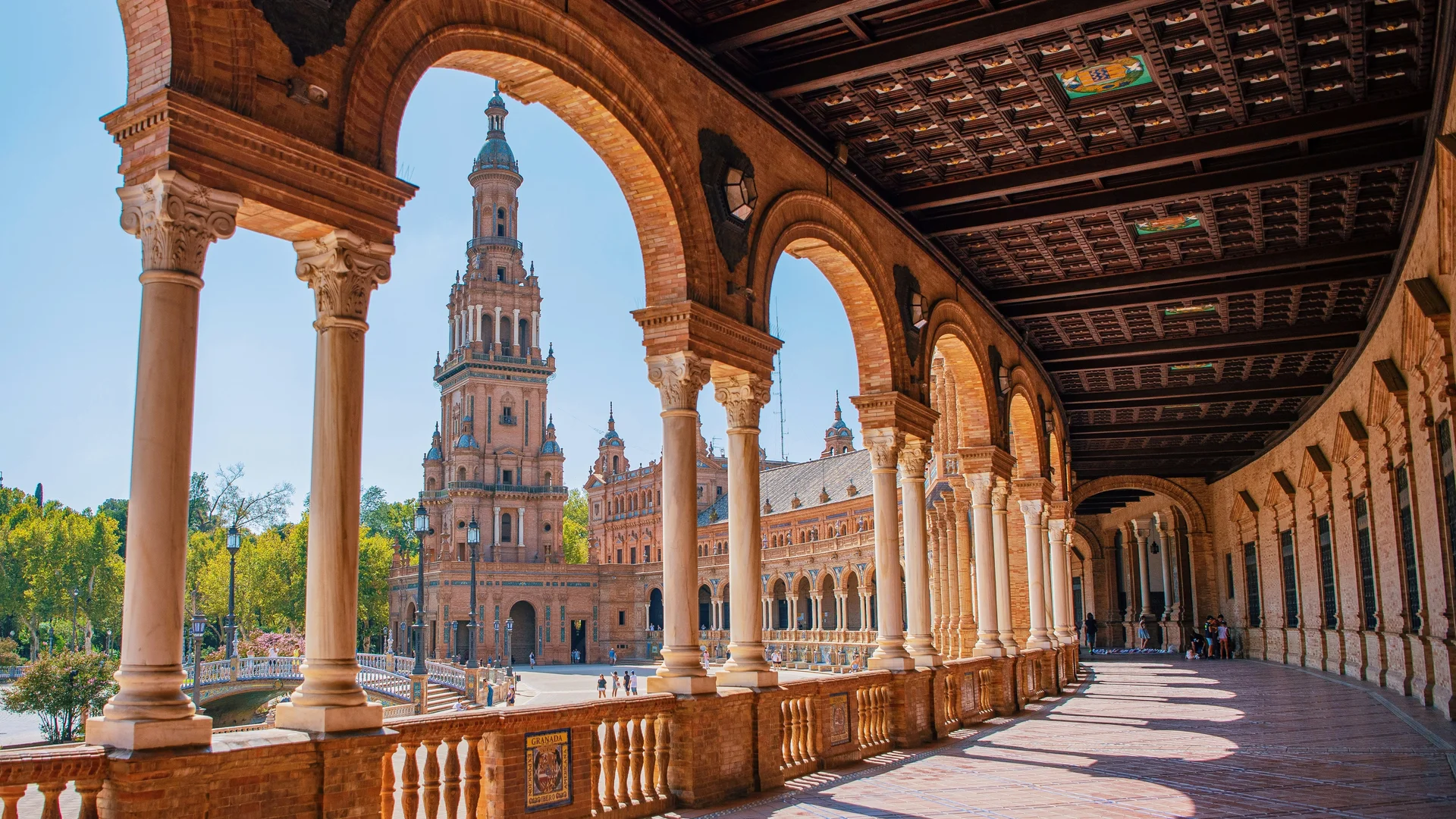
Spain
Andalusia
Seville, Spain
The heart of Andalusia where flamenco, Moorish architecture, and orange blossoms thrive
Spain
March-May, September-November
2-3 days
€ (EUR)
Spanish, English
Popular
Coming Soon to Seville
We're working on bringing you amazing travel stories, insider guides, and exceptional restaurant recommendations for this destination. Check back soon for the latest local experiences!
Travel Stories
Local Guides
Restaurant Reviews
Frequently Asked Questions
Common questions about visiting Seville, Spain
When is the best time to visit Seville?
The best time to visit Seville is during spring (March-May) when the weather is pleasant and the city is fragrant with orange blossoms. Fall (September-November) is also ideal with comfortable temperatures. Summer (June-August) can be extremely hot, often exceeding 40°C (104°F).
How many days should I spend in Seville?
Plan for 2-3 days to explore Seville's main attractions including the Alcázar, Seville Cathedral, Giralda Tower, and Plaza de España. Add time to explore the Triana neighborhood, enjoy flamenco shows, or take day trips to Córdoba or Cádiz if you have more time.
Is Seville an expensive city to visit?
Seville is moderately expensive and generally more affordable than Madrid or Barcelona. Accommodation and dining are reasonably priced, especially outside the main tourist areas. Many attractions offer good value, and tapas bars provide affordable dining options.
Do I need to book Alcázar tickets in advance?
Yes, booking Alcázar tickets in advance is highly recommended, especially during peak season and weekends. The palace can sell out weeks ahead. Skip-the-line tickets are worth the extra cost. The same applies to the Cathedral, particularly during Holy Week.
What's the best way to get around Seville?
Seville's historic center is very walkable, and most attractions are within walking distance. For longer distances, the metro and bus system are efficient. Bikes and e-scooters are popular and the city is bike-friendly. Taxis are available but not usually necessary for central sightseeing.
Is Seville safe for tourists?
Seville is generally safe for tourists with low levels of serious crime. Like any city, be aware of pickpockets in crowded areas and around major attractions. The historic center is well-policed and comfortable to walk in during the day and evening.
What should I pack for a trip to Seville?
Pack lightweight, breathable clothing for summer visits, as it gets very hot. Comfortable walking shoes are essential for exploring cobblestone streets. Bring sun protection year-round, and layers for cooler winter evenings. Modest attire is recommended for visiting religious sites.
What is Holy Week (Semana Santa) in Seville?
Holy Week is Seville's most important festival, occurring the week leading up to Easter. The city hosts elaborate processions with decorated floats and religious statues. It's incredibly crowded and expensive, but offers a unique cultural experience. Book accommodation months in advance if visiting during this period.