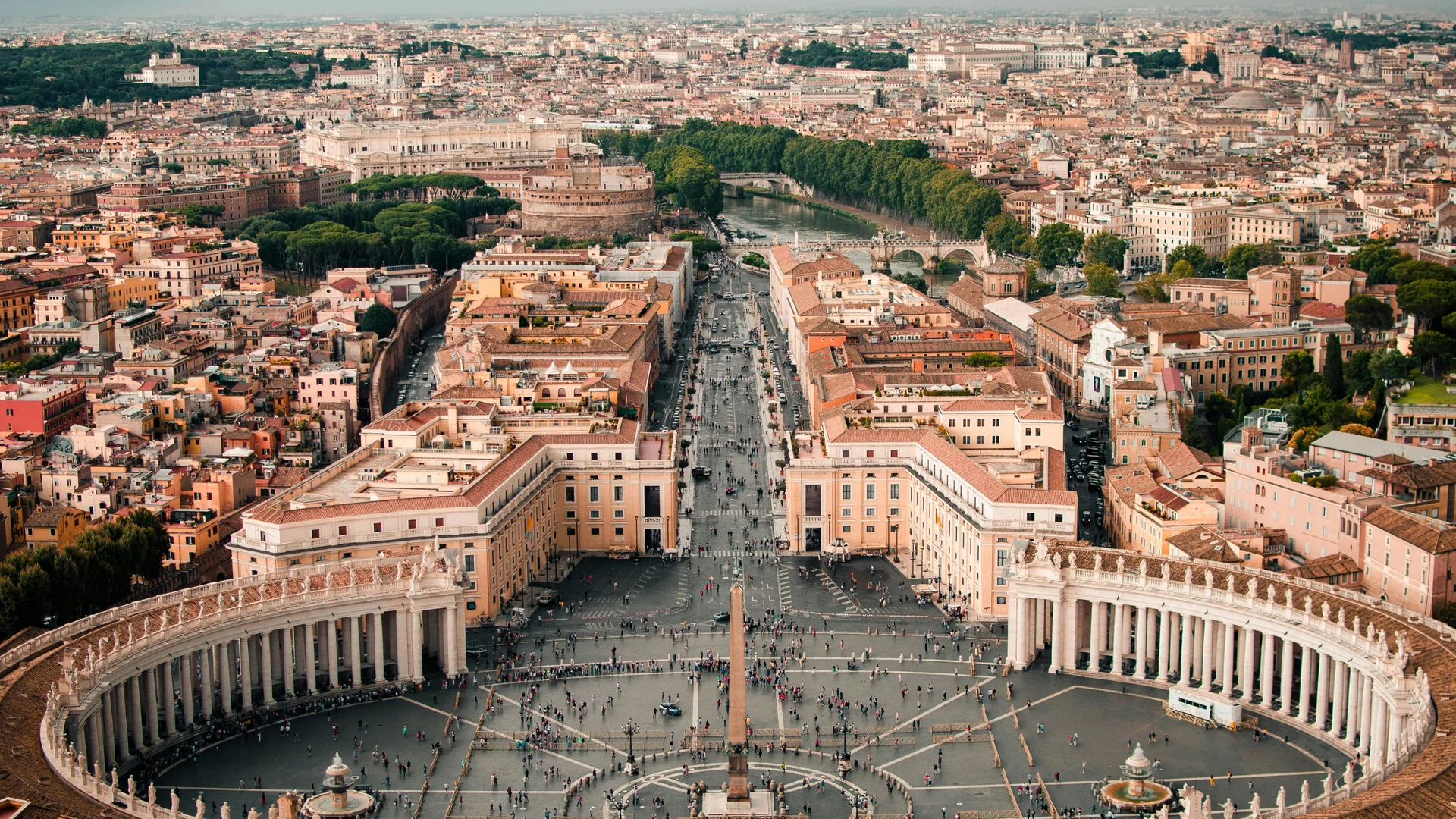
Italy
Lazio
Rome, Italy
Where ancient history meets vibrant Italian culture
Italy
April-May, September-October
3-4 days
€ (EUR)
Italian, English
Popular
Coming Soon to Rome
We're working on bringing you amazing travel stories, insider guides, and exceptional restaurant recommendations for this destination. Check back soon for the latest local experiences!
Travel Stories
Local Guides
Restaurant Reviews
Frequently Asked Questions
Common questions about visiting Rome, Italy
When is the best time to visit Rome?
The best time to visit Rome is during spring (April-May) and fall (September-October) when the weather is pleasant and crowds are smaller than in summer. July and August can be very hot and crowded. Winter is cooler with fewer tourists but some attractions may have shorter hours.
How many days should I spend in Rome?
Plan for at least 3-4 days to cover Rome's major attractions including the Colosseum, Roman Forum, Vatican City, Trevi Fountain, and Pantheon. If you want to explore neighborhoods, take day trips, or visit museums in depth, consider 5-7 days.
Is Rome an expensive city to visit?
Rome is moderately expensive, especially in tourist areas. Accommodation and dining near major attractions cost more. Budget travelers can save by staying outside the city center, eating at local trattorias, and taking advantage of free attractions like parks and churches.
Do I need to book Vatican tickets in advance?
Yes, booking Vatican tickets in advance is highly recommended, especially during peak season. The Vatican Museums and St. Peter's Basilica can have long queues, and skip-the-line tickets save significant time. Book weeks ahead for summer visits.
What's the best way to get around Rome?
Rome's historic center is very walkable, but distances between attractions can be substantial. The metro system is efficient for longer distances, and buses cover areas not served by metro. Taxis are available but expensive. Consider a Roma Pass for unlimited public transport and museum discounts.
Is Rome safe for tourists?
Rome is generally safe for tourists, but be aware of pickpockets in crowded areas like the Colosseum, Vatican, and on public transport. Keep valuables secure and be cautious of street scams. The city center is well-policed, and violent crime is rare.
What should I pack for a trip to Rome?
Pack comfortable walking shoes as you'll be on uneven cobblestones. Bring modest clothing for visiting churches (cover shoulders and knees). Sun protection is essential in summer, and layers work well for spring/fall. A small crossbody bag helps deter pickpockets.
Can I drink the tap water in Rome?
Yes, Rome's tap water is safe to drink and of high quality. The city has many public drinking fountains called "nasoni" that provide free, fresh drinking water. Bringing a refillable water bottle is both economical and environmentally friendly.