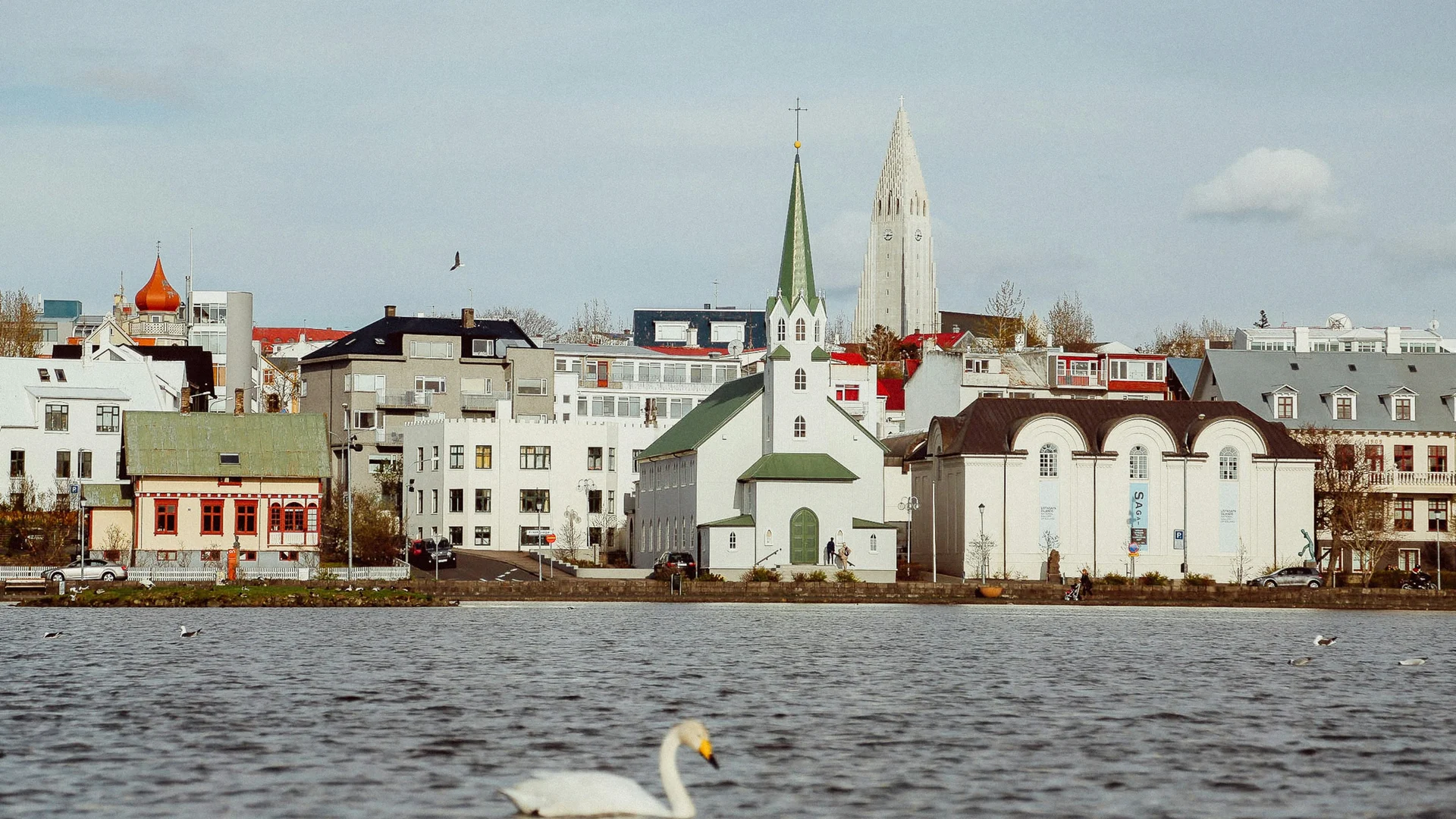
Iceland
Capital Region
Reykjavik, Iceland
A Nordic capital where dramatic landscapes meet creative urban culture
Iceland
June-August, September-March
2-3 days
kr (ISK)
Icelandic, English
Popular
Coming Soon to Reykjavik
We're working on bringing you amazing travel stories, insider guides, and exceptional restaurant recommendations for this destination. Check back soon for the latest local experiences!
Travel Stories
Local Guides
Restaurant Reviews
Frequently Asked Questions
Common questions about visiting Reykjavik, Iceland
When is the best time to visit Reykjavik?
Visit in summer (June-August) for midnight sun and accessible hiking, or winter (September-March) for northern lights. Summer offers 24-hour daylight and milder weather, while winter provides the magical aurora borealis but brings cold, darkness, and potential travel disruptions.
How many days should I spend in Reykjavik?
Plan for 2-3 days in Reykjavik itself, but allow additional days for Golden Circle tours, South Coast excursions, or Blue Lagoon visits. Most visitors use Reykjavik as a base for exploring Iceland's natural wonders, so consider a week or more for the full experience.
Is Reykjavik expensive to visit?
Reykjavik is one of Europe's most expensive cities. Accommodation, dining, and activities are costly due to Iceland's remote location and high cost of living. Budget travelers can save by staying in guesthouses, cooking meals, and focusing on free natural attractions.
Do I need to book Blue Lagoon tickets in advance?
Yes, booking Blue Lagoon tickets well in advance is essential as they sell out weeks or months ahead, especially during peak season. The same applies to popular tours like northern lights excursions and glacier hikes. Book as early as possible for the best prices and availability.
What's the best way to get around Reykjavik?
Reykjavik is very walkable and compact, with most attractions within walking distance. For exploring beyond the city, rental cars offer flexibility, while bus tours provide convenience without driving stress. The local bus system covers the city area, and taxis are available but expensive.
Is Reykjavik safe for tourists?
Reykjavik is extremely safe for tourists with very low crime rates. The main concerns are weather-related safety and natural hazards. The city is well-policed, and violent crime is virtually nonexistent. Exercise normal precautions and be prepared for changing weather conditions.
What should I pack for a trip to Reykjavik?
Pack warm, waterproof, and windproof clothing regardless of season. Bring layers, thermal underwear, warm hat, gloves, and sturdy waterproof shoes. Even in summer, temperatures can be cool and weather unpredictable. Pack swimwear for hot springs and a camera for the stunning landscapes.
Can I see the Northern Lights from Reykjavik?
Yes, you can see the northern lights from Reykjavik on clear, dark nights from September to March, but light pollution affects visibility. For better viewing, join northern lights tours that take you away from city lights. Check aurora forecasts and weather conditions for the best chances.