Norway
Oslo
Oslo, Norway
A Scandinavian capital where fjord landscapes meet modern Nordic design
Norway
May-September
2-3 days
kr (NOK)
Norwegian, English
Popular
Coming Soon to Oslo
We're working on bringing you amazing travel stories, insider guides, and exceptional restaurant recommendations for this destination. Check back soon for the latest local experiences!
Travel Stories
Local Guides
Restaurant Reviews
Frequently Asked Questions
Common questions about visiting Oslo, Norway
When is the best time to visit Oslo?
The best time to visit Oslo is during summer (May-September) when the weather is pleasant and days are long. June-July offers midnight sun experiences. Winter (December-March) brings excellent skiing and potential northern lights viewing, but days are very short and cold.
How many days should I spend in Oslo?
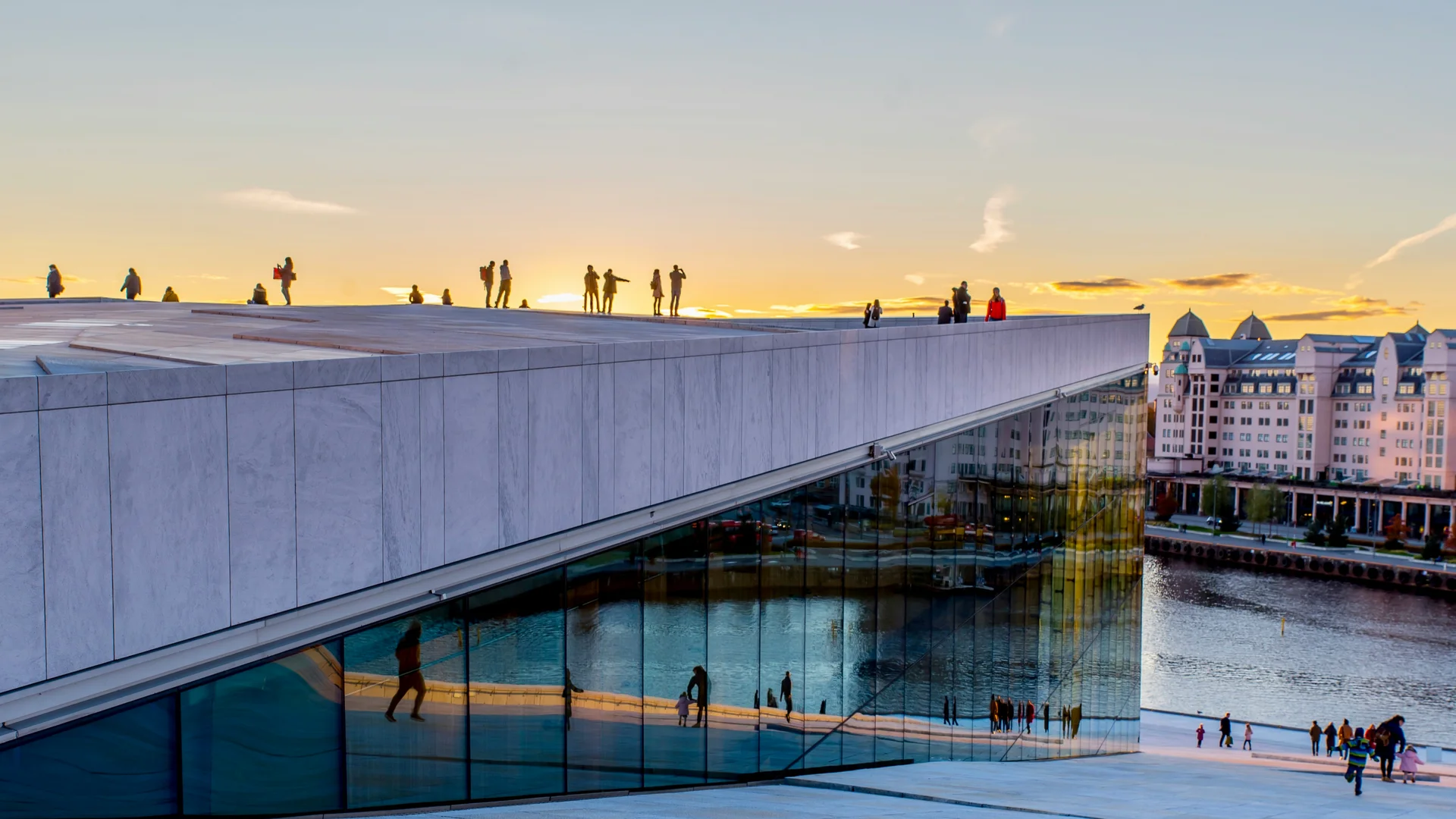
Plan for 2-3 days to explore Oslo's main attractions including the Viking Ship Museum, Opera House, Royal Palace, and Vigeland Sculpture Park. Add time for fjord tours, museum visits, or day trips to nearby attractions if you want to experience more of Norway's natural beauty.
Is Oslo expensive to visit?
Oslo is one of Europe's most expensive cities. Accommodation, dining, and activities are costly due to Norway's high cost of living. However, many outdoor activities and walking tours are free. The Oslo Pass offers good value for museum entry and transport.
Do I need to book fjord tours in advance?
Yes, booking fjord tours in advance is recommended, especially during peak summer season. Popular tours to the Oslofjord and nearby attractions can sell out weeks ahead. The same applies to major museums like the Viking Ship Museum and Fram Museum.
What's the best way to get around Oslo?
Oslo has excellent public transport with metro, trams, buses, and ferries. The city center is very walkable, and many attractions are within walking distance. Consider an Oslo Pass for unlimited transport and museum entry. Bikes are popular in summer and widely available.
Is Oslo safe for tourists?
Oslo is extremely safe for tourists with very low crime rates. The city is well-policed and clean. Standard precautions apply in crowded areas, but violent crime is rare. The city center is comfortable to walk in during the day and evening.
What should I pack for a trip to Oslo?
Pack layers and waterproof clothing as weather can change quickly. Bring warm clothing even in summer as evenings can be cool. In winter, pack thermal wear, waterproof boots, gloves, and a warm hat as temperatures can drop below freezing. Comfortable walking shoes are essential year-round.
Can I see the Northern Lights from Oslo?
Seeing the northern lights from Oslo is possible but not guaranteed due to light pollution. The best chances are during clear, dark winter nights (November-February). For better viewing, consider traveling north to Tromsø or Lofoten Islands where aurora activity is more visible.