Spain
Andalusia
Málaga, Spain
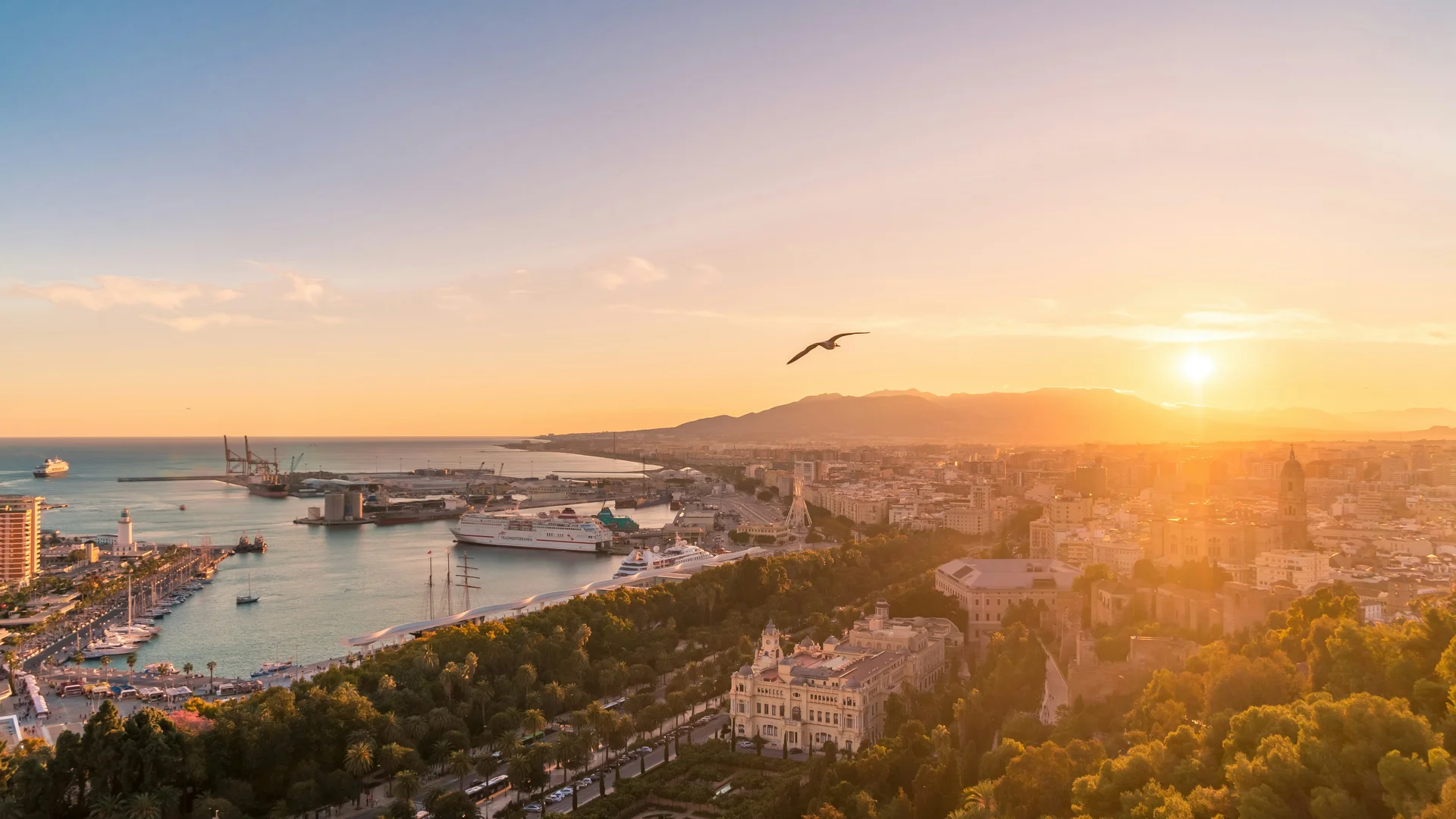
A sunlit Andalusian city where beaches, tapas culture, and Moorish landmarks meet
Spain
March-June, September-November
3-5 days
€ (EUR)
Spanish
Popular
Coming Soon to Málaga
We're working on bringing you amazing travel stories, insider guides, and exceptional restaurant recommendations for this destination. Check back soon for the latest local experiences!
Travel Stories
Local Guides
Restaurant Reviews
Frequently Asked Questions
Common questions about visiting Málaga, Spain
When is the best time to visit Málaga?
The best time to visit Málaga is during March-June and September-November when the weather is warm but not at its peak and the city feels less crowded. July and August are hottest and busiest, with higher prices and strong beach demand. Spring and early autumn offer the best balance for sightseeing and seaside time.
How many days should I spend in Málaga?
Plan for 3-5 days to explore the Alcazaba and Gibralfaro, enjoy the historic center, visit key museums, and spend time at the beach. If you want day trips (for example, to nearby white villages or other Andalusian cities), add 1-2 extra days.
Is Málaga an expensive city to visit?
Málaga is generally good value compared to many major European cities, though costs rise in summer and around major holidays. You can keep budgets in check by staying slightly outside the center, using public transport, and taking advantage of affordable menus and tapas bars.
Do I need to book Alcazaba tickets in advance?
Advance booking is recommended in peak months and on weekends, especially if you want to visit the Alcazaba and other major sites at specific times. Even when tickets are available on the day, queues can be substantial. Booking ahead helps you structure sightseeing around the warmer parts of the day.
What's the best way to get around Málaga?
Central Málaga is highly walkable, and most landmarks in the old town are within easy reach on foot. For longer distances, buses and the metro cover key areas, and commuter trains are useful for coastal hops. Taxis and ride-hailing are available but less cost-effective for short inner-city trips.
Is Málaga safe for tourists?
Málaga is generally safe for tourists, with the usual precautions recommended in busy areas. Keep valuables secure in crowded streets and around transport hubs. Stick to well-lit routes at night, especially after late dinners in the center.
What should I pack for a trip to Málaga?
Pack breathable clothing, comfortable shoes for cobblestones, and sun protection for much of the year. Evenings can be cooler outside summer, so a light layer helps. If traveling in shoulder seasons, include a compact rain jacket for occasional showers.
Can I use euros in Málaga?
Yes, Málaga uses the euro (EUR) like the rest of Spain. Cards are widely accepted, including contactless payments, but carrying some cash is useful for small purchases and markets. ATMs are common across the city.