Ireland
County Dublin
Dublin, Ireland
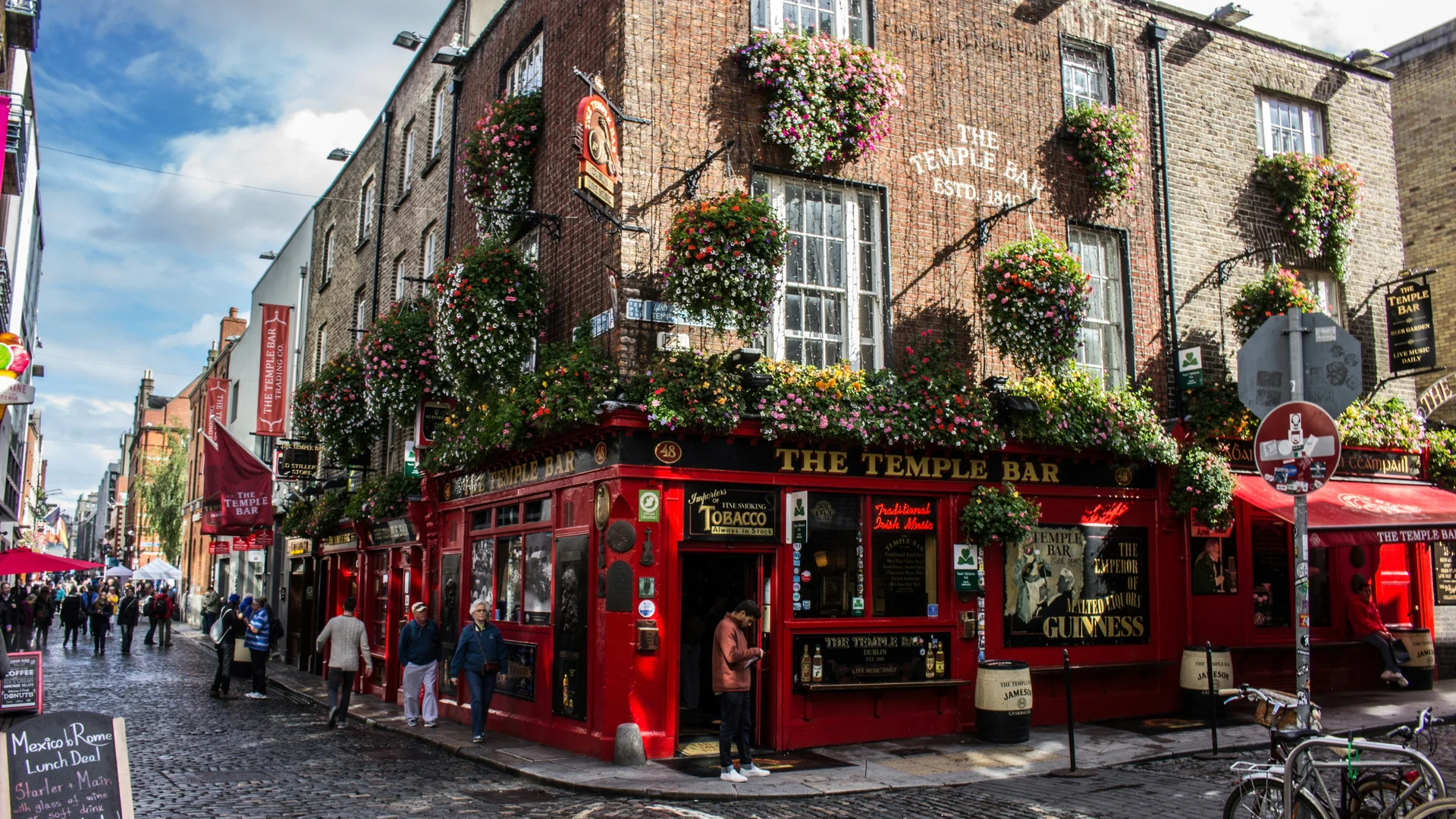
A lively capital of Georgian streets, literary landmarks, and unforgettable pub culture
Ireland
May-September
3-5 days
€ (EUR)
English, Irish
Popular
Coming Soon to Dublin
We're working on bringing you amazing travel stories, insider guides, and exceptional restaurant recommendations for this destination. Check back soon for the latest local experiences!
Travel Stories
Local Guides
Restaurant Reviews
Frequently Asked Questions
Common questions about visiting Dublin, Ireland
When is the best time to visit Dublin?
The best time to visit Dublin is during May-September when days are longest and the city has a lively outdoor atmosphere. July and August are busiest, with higher accommodation prices and more crowds at key attractions. Spring and early autumn can offer similar charm with slightly better availability.
How many days should I spend in Dublin?
Plan for 3-5 days to cover Trinity College, major museums, key neighborhoods, and classic day-to-day experiences like pubs and food markets. Add extra time if you want day trips, for example to coastal towns or nearby historical sites.
Is Dublin an expensive city to visit?
Dublin is relatively expensive, especially for accommodation and dining in central areas. You can reduce costs by booking well in advance, staying outside the core, using public transport, and prioritizing free attractions such as major museums and parks.
Do I need to book Guinness Storehouse tickets in advance?
Yes, it’s strongly recommended to book in advance, particularly on weekends, during summer, and around major holidays. Timed-entry slots can sell out, and booking ahead helps you choose a preferred time. Arriving earlier in the day can also improve the overall experience.
What's the best way to get around Dublin?
Central Dublin is very walkable, and many highlights sit within compact neighborhoods. For longer trips, buses, trams (Luas), and commuter rail (DART) are practical options, and day tickets can offer good value. Taxis and ride-hailing are available but can be slower in heavy traffic.
Is Dublin safe for tourists?
Dublin is generally safe for tourists, with typical city precautions advised, especially late at night and around busy nightlife districts. Keep valuables secure and stay aware in crowded areas. Using main streets and well-lit routes is a sensible default after dark.
What should I pack for a trip to Dublin?
Pack layers and a waterproof jacket, as showers and wind are common even in summer. Comfortable walking shoes are essential for long days on foot and uneven pavements. A light sweater or jacket helps for cooler evenings.
Can I use euros in Dublin?
Yes, Dublin uses the euro (EUR). Cards and contactless payments are widely accepted, including on public transport where supported. Carry a small amount of cash for smaller purchases and tips.