Denmark
Capital Region
Copenhagen, Denmark
A design-forward capital of canals, cycling culture, and cozy Nordic dining
Denmark
May-September
3-5 days
kr (DKK)
Danish, English
Popular
Coming Soon to Copenhagen
We're working on bringing you amazing travel stories, insider guides, and exceptional restaurant recommendations for this destination. Check back soon for the latest local experiences!
Travel Stories
Local Guides
Restaurant Reviews
Frequently Asked Questions
Common questions about visiting Copenhagen, Denmark
When is the best time to visit Copenhagen?
The best time to visit Copenhagen is during May-September when days are longest and the city is lively with outdoor dining and festivals. July and August are busiest and can be more expensive, especially for accommodation. Spring and early autumn offer a strong balance of pleasant weather and fewer crowds.
How many days should I spend in Copenhagen?
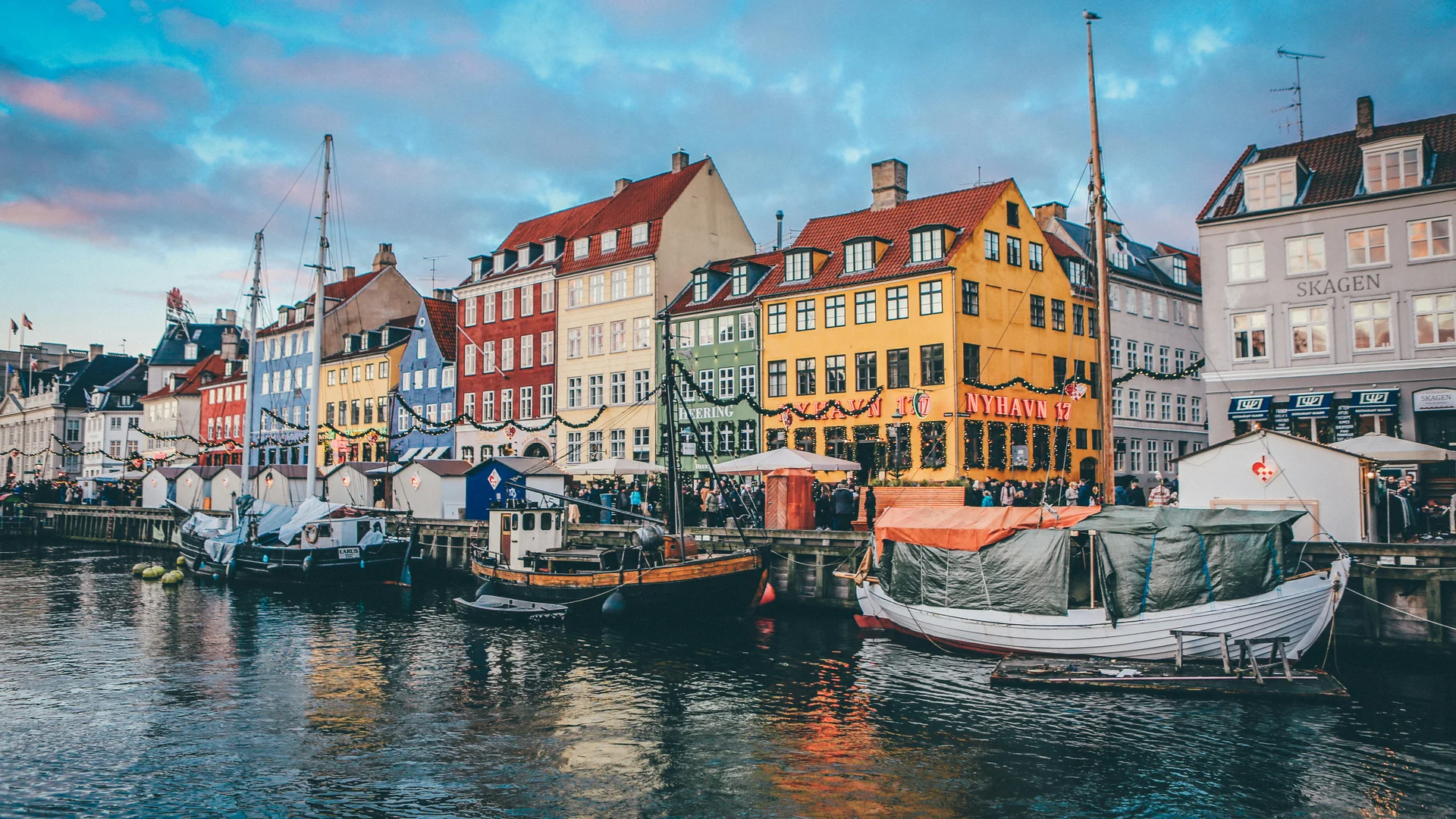
Plan for 3-5 days to explore key neighborhoods, canal areas like Nyhavn, major museums, and day-to-day experiences such as food halls and cycling routes. Add an extra day if you want day trips to nearby castles or coastal towns. The city’s pace also rewards unstructured time for cafés and waterfront walks.
Is Copenhagen an expensive city to visit?
Copenhagen is generally expensive, particularly for accommodation, dining, and nightlife. Costs can be managed by booking early, using public transport and bikes, and mixing in casual bakeries and food markets. Many museums and attractions also offer discounted tickets or passes.
Do I need to book Tivoli Gardens tickets in advance?
Advance booking is recommended during summer, weekends, and holiday periods when queues can be long. Timed-entry options can help you plan your evening. If you want specific rides or dining reservations, booking early is especially beneficial.
What's the best way to get around Copenhagen?
Copenhagen is best explored by bike and on foot, with excellent cycling infrastructure and a compact center. Public transport, including metro, buses, and trains, is efficient for longer hops. Taxis are available but are typically far more expensive than other options.
Is Copenhagen safe for tourists?
Copenhagen is generally very safe for tourists, with low rates of serious crime. Standard precautions apply in crowded areas, especially around nightlife districts and transit hubs. Cycling safety is important-follow local rules and stay alert on bike lanes.
What should I pack for a trip to Copenhagen?
Pack layers and a waterproof jacket, as wind and rain are common even in summer. Comfortable shoes are important for walking, and if you plan to cycle, consider clothing suitable for variable weather. Evenings can be cool, so bring a warmer layer.
Can I use cash easily in Copenhagen?
Denmark is highly card-friendly, and Copenhagen is largely cashless for everyday purchases. Most places accept contactless cards and mobile payments, and some vendors may not accept cash. If you do carry cash, it will be in Danish kroner (DKK).