Spain
Catalonia
Barcelona, Spain
A Mediterranean capital of Gaudí masterpieces, beachside energy, and Catalan cuisine
Spain
April-June, September-October
4-6 days
€ (EUR)
Catalan, Spanish
Popular
Coming Soon to Barcelona
We're working on bringing you amazing travel stories, insider guides, and exceptional restaurant recommendations for this destination. Check back soon for the latest local experiences!
Travel Stories
Local Guides
Restaurant Reviews
Frequently Asked Questions
Common questions about visiting Barcelona, Spain
When is the best time to visit Barcelona?
The best time to visit Barcelona is during April-June and September-October when temperatures are comfortable for sightseeing and the beaches are enjoyable without peak-summer crowds. July and August are hottest and busiest, with higher prices and long lines at major attractions. Late spring and early autumn typically offer the best balance of weather and availability.
How many days should I spend in Barcelona?
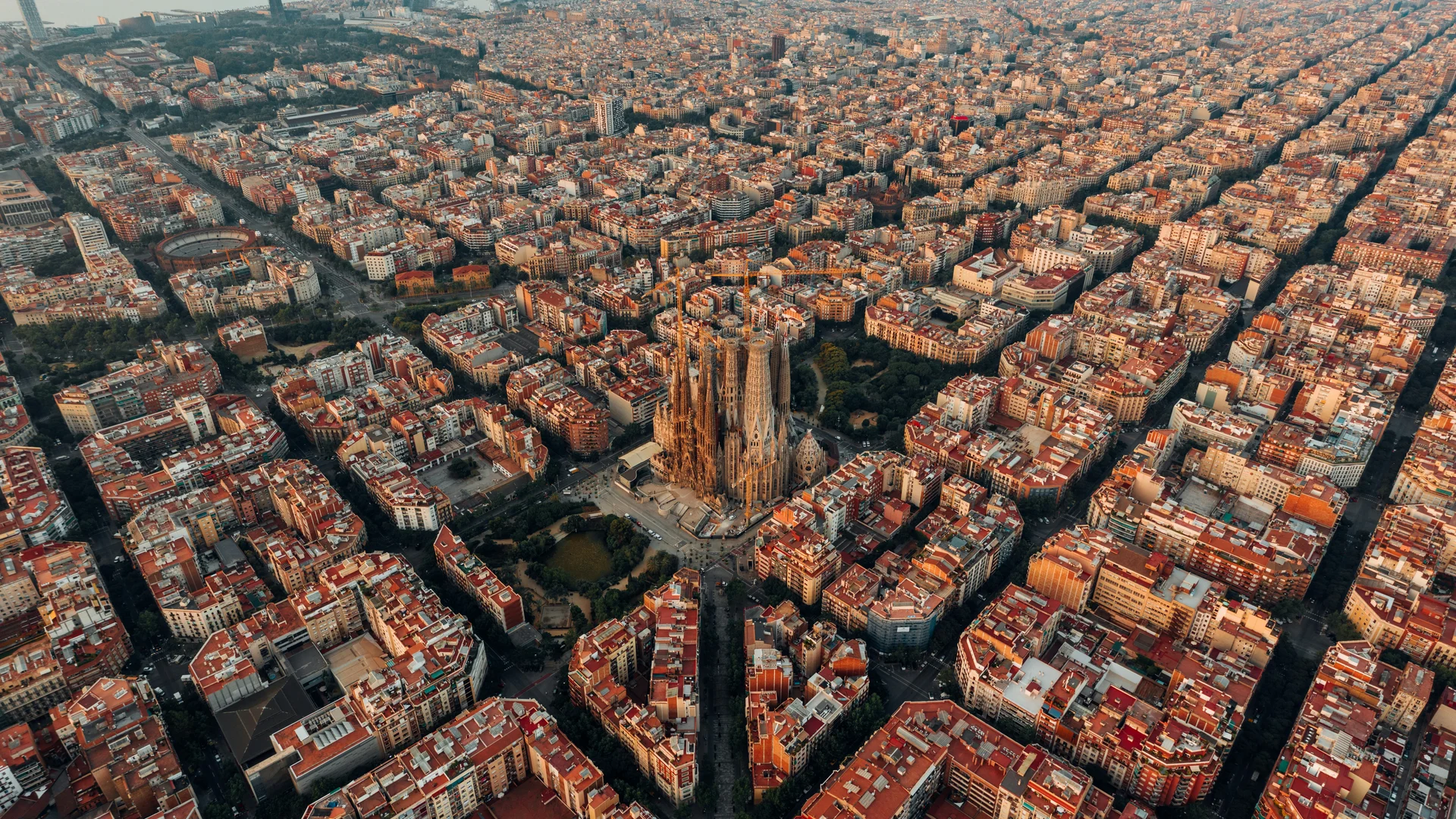
Plan for 4-6 days to see major Gaudí sites, explore neighborhoods like the Gothic Quarter and Eixample, and spend time along the waterfront. If you want day trips (for example, Montserrat or coastal towns), add 1-2 extra days.
Is Barcelona an expensive city to visit?
Barcelona is moderately expensive, especially for centrally located accommodation and popular attractions. Costs rise during summer and major events. You can manage budgets by booking tickets early, using public transport, and balancing tourist hotspots with local neighborhood dining.
Do I need to book Sagrada Família tickets in advance?
Yes, it’s strongly recommended to book Sagrada Família tickets in advance, particularly in peak season and on weekends. Timed-entry slots often sell out, and advance booking helps you secure preferred times. Arriving early or later in the day can also reduce crowds.
What's the best way to get around Barcelona?
Barcelona has an excellent metro and bus network that makes it easy to move between neighborhoods and sights. Many central areas are walkable, especially the old town and waterfront promenades. Taxis are readily available, but public transport is typically faster during heavy traffic.
Is Barcelona safe for tourists?
Barcelona is generally safe, but petty theft can be an issue in busy tourist areas and on public transport. Keep valuables secure, avoid leaving phones on café tables, and stay alert in crowded zones. At night, stick to well-lit streets and main routes.
What should I pack for a trip to Barcelona?
Pack breathable clothing and sun protection for most of the year, plus comfortable walking shoes for long days on foot. Evenings can be cooler in spring and autumn, so bring a light layer. If visiting outside summer, a compact rain jacket can be useful.
Can I use euros in Barcelona?
Yes, Barcelona uses the euro (EUR). Contactless card payments are widely accepted, but having some cash is helpful for small purchases and markets. ATMs are common throughout the city.